Government
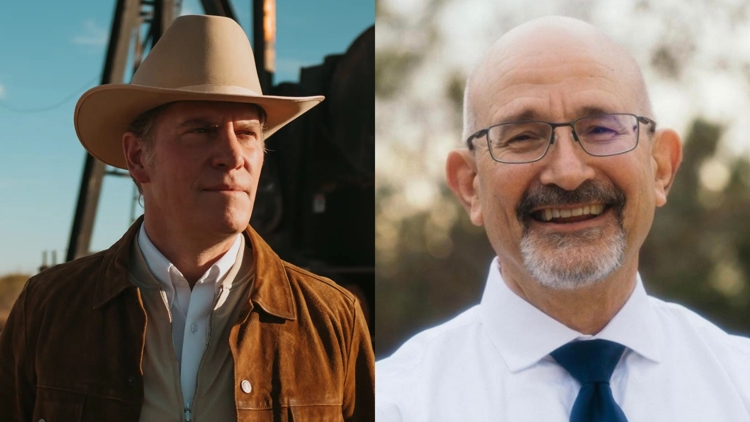
Texas election results: Bo French, Jon Rosenthal in the race for Texas Railroad Commissioner
By Derek Patel
Advertisement · Why this ad?
Derek has a Bachelor’s degree in Political Science from Lamar University and over 6 years of experience covering local government issues. He previously worked as a reporter for the Beaumont Enterprise, focusing on city council meetings and policy changes.
More from Derek →
As the sun dipped below the horizon on a recent Tuesday evening, Beaumont resident Bo French took to social media to concede defeat in the Texas Railroad Commissioner race. The moment was bittersweet, not just for French but for many who had rallied behind his campaign. The post on X (formerly Twitter) marked the end of a hard-fought battle, yet it sparked a wave of commentary that illuminated the complexities of modern political discourse.
Bo French, a candidate who had garnered significant attention during the Texas Railroad Commissioner race, officially conceded on X late Tuesday night. The election, which took place on November 7, saw French facing off against incumbent Railroad Commissioner Wayne Christian. Despite a robust campaign and grassroots support, French fell short, receiving only 38% of the vote compared to Christian’s 62%.
In the aftermath of his concession, social media users quickly reminded French of controversial comments he made during the campaign that many believe contributed to his electoral defeat. These remarks, which sparked a firestorm of reactions, were highlighted by users as pivotal moments that may have swayed public opinion against him.
French's campaign had initially generated excitement among voters who were looking for change within the Texas Railroad Commission, an agency critical to regulating the state's oil and gas industry. However, as the campaign progressed, his comments became a focal point of criticism, raising questions about his candidacy's viability.
The reaction from the Beaumont community has been a mixture of disappointment and reflection. Many supporters expressed their sadness over French’s loss, believing he represented a fresh perspective on energy regulation in Texas. “I thought he had a real chance to shake things up,” said local business owner Maria Gonzalez. “It’s frustrating to see someone with such potential not make it.”
However, others echoed the sentiments found on social media, suggesting that French’s comments were ill-timed or poorly articulated. “Sometimes it’s not just about the policies; it’s about how you communicate them,” remarked lifelong Beaumont resident Tom Mitchell. “In today’s world, every word counts.”
The influence of social media in shaping public perception cannot be understated. In an age where a single tweet can go viral, candidates must navigate their messaging carefully. French’s remarks, which some interpreted as controversial, were amplified across platforms, leading to widespread scrutiny.
As the election drew nearer, social media became a battleground for narratives, with users dissecting French's statements and sharing their interpretations. This phenomenon reflects a growing trend where political candidates are held accountable not only for their policies but also for their words, often in real-time.
Looking back at the campaign, several factors contributed to French’s defeat, with his controversial comments being a significant element. During a debate, he made statements that some considered dismissive of environmental concerns, which did not sit well with a segment of the electorate increasingly concerned about climate change.
“I think he underestimated how much voters care about environmental issues,” said local environmental activist Sarah Lee. “In Texas, we have a rich history of energy production, but that doesn’t mean we can ignore the impacts on our land and communities.”
Furthermore, French’s campaign struggled to counteract the narrative that emerged from his comments. Instead of redirecting the conversation towards his proposed policies and vision for the Texas Railroad Commission, the focus remained on his remarks, overshadowing his campaign's core messages.
French's defeat has broader implications for local politics in Beaumont and the surrounding areas. His campaign was seen not just as a challenge to an incumbent but as a potential shift in how the Texas Railroad Commission could approach issues like environmental regulation and community engagement. With the commission being pivotal in managing Texas's vast natural resources, the leadership's stance on such matters can have ripple effects throughout the local economy.
“The Railroad Commission is not just about oil and gas; it’s about the future of our communities,” said Beaumont City Council member Rachel Adams. “We need leaders who understand the balance between economic development and environmental sustainability.”
The outcome of the Texas Railroad Commissioner race serves as a reminder of the importance of effective communication in politics. Candidates must not only present their policies but also ensure that their messaging resonates with the values and concerns of their constituents.
For French, this election was a learning experience. “I’ve always believed in the power of dialogue and understanding,” he stated in his concession post. “While I may not have won this time, I hope to continue advocating for the issues that matter to Texans.”
Community members are already looking ahead. Some are calling for a renewed focus on candidate training programs that emphasize communication skills, particularly in the context of social media. “We need to equip our future leaders with the tools to connect with voters in meaningful ways,” suggested local educator John Carter.
As Beaumont moves forward from this election, residents are left to ponder the future of the Texas Railroad Commission and its impact on the local economy. The commission plays a vital role in regulating the oil and gas industry, and its leadership can significantly affect job growth and environmental policies in the region.
With Wayne Christian continuing in his role, many are eager to see how he will address the concerns raised during the campaign. “I hope he listens to the voices of the people,” remarked community leader Linda Brown. “The commission has a responsibility to balance economic growth with environmental stewardship.”
Looking ahead, Beaumont’s citizens are encouraged to stay engaged in the political process, understanding that their voices matter. “Every election is an opportunity to bring about change,” said French in his concession. “I urge everyone to participate, to speak up, and to hold our leaders accountable.”
This recent election cycle has underscored the need for ongoing dialogue in our community. Whether through town halls, social media, or local discussions, the importance of communication cannot be overstated. As Beaumont navigates the future, the lessons learned from this race will undoubtedly shape the political landscape for years to come.
In the wake of the election, local organizations are beginning to mobilize efforts aimed at enhancing civic engagement among residents. Initiatives such as community forums and workshops are being proposed to ensure that voters are informed and empowered to voice their opinions on critical issues. “We want to create spaces where people can come together to discuss their concerns and ideas about our future,” said community organizer Emily Tran.
Moreover, schools and universities in the area are also looking to play a role in fostering political awareness. Beaumont’s high schools are planning to incorporate more comprehensive civics education into their curriculums, aiming to prepare the next generation of leaders. “It’s crucial for young people to understand the political system and feel empowered to participate,” noted Beaumont High School principal David Roberts.
As Beaumont reflects on the recent election, it becomes clear that the path forward will require collaboration and a commitment to addressing the diverse needs of its residents. With ongoing discussions about energy, environment, and community engagement, the future of Beaumont remains a topic of passionate debate.
By Derek Patel
By Derek Patel

By Marisol Torres

By Marisol Torres