Community
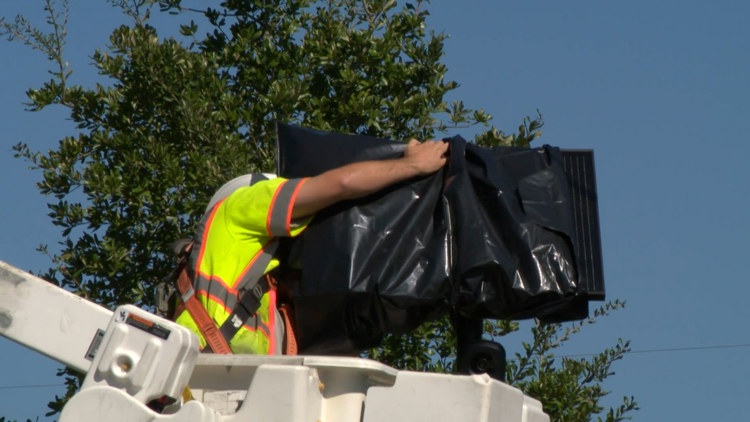
League City begins disabling Flock cameras after voters rejected automated license plate readers
By Tasha Williams
Advertisement · Why this ad?
Lila Mendez has spent over 15 years in local journalism, honing her skills at the Houston Chronicle and NPR’s Houston affiliate. A graduate of the University of Houston, she excels in connecting with the community and has a knack for unearthing stories that highlight the diverse voices of Houston's neighborhoods.
More from Lila →
On a warm Houston morning, families filling up their cars at local stations might have felt a flicker of hope. The rising cost of fuel has long been a burden for many, especially as diesel prices surged to record levels last September, pushing the price at the pump well over $4 per gallon in some areas. Now, a new proposal from Texas state leadership aims to ease that strain, offering a glimmer of relief for everyday drivers and truckers alike.
Texas’ incoming governor, along with state legislators, has put forward a bold plan to suspend the state's gas and diesel taxes temporarily. This move, announced in recent discussions, would mean that drivers could see lower prices at the pump, potentially saving hundreds of dollars annually for families and small businesses. The proposal is a response to the historic spikes in fuel costs, which have been exacerbated by global supply chain disruptions and geopolitical tensions.
Specifically, the plan would suspend the state’s 20-cent-per-gallon gas tax and the 38-cent-per-gallon diesel tax. These taxes, which fund transportation projects across Texas—including highway maintenance, bridge repairs, and public transit improvements—have become a focal point as residents grapple with rising costs. The proposed suspension could last for several months, providing immediate relief while lawmakers evaluate long-term solutions to stabilize fuel prices.
For many Houstonians, the proposal sparks hope. Maria Lopez, a single mother working multiple jobs at a local convenience store and as a part-time waitress, shared her thoughts: “Any break helps. When diesel prices go up, it costs more to deliver groceries, and that hits our family’s budget hard. We’re already stretching every dollar, and this could really make a difference.” Lopez, who has lived in Houston’s East End for over a decade, explains that rising fuel costs ripple through her community, affecting everything from transportation to food prices.
Small business owners, especially those in logistics, delivery services, and construction, see this as a vital step toward maintaining their operations without passing costs onto consumers. James Carter, owner of a local trucking company that delivers goods across Houston and beyond, notes: “Fuel is our biggest expense. If we can save a few cents per gallon, it helps us stay afloat and keep jobs in the community.”
However, some community leaders and fiscal conservatives express cautious optimism. Critics argue that suspending fuel taxes might strain the state’s budget, potentially delaying essential infrastructure projects and maintenance. Houston City Council member Ana Hernandez, who has long advocated for sustainable transportation funding, emphasizes the importance of balancing immediate relief with long-term fiscal health. “We need to be careful not to jeopardize future projects that keep our roads safe and our economy strong,” she said.
Supporters, on the other hand, emphasize the immediate benefits for everyday Texans, especially those who rely heavily on personal vehicles and small businesses that operate on tight margins. “This is about providing relief now,” said State Senator Carol Alvarado. “We understand the pain at the pump, and we’re looking for ways to ease that burden without sacrificing our infrastructure needs.”
Legislators are expected to debate the proposal in the coming weeks, weighing the short-term relief against long-term fiscal impacts. If approved, the suspension could be implemented as early as next month, providing swift relief to drivers during what is traditionally a busy travel season, including holiday travel and the start of the summer road trip period.
Houston residents, many of whom commute daily across sprawling highways like I-10 and I-45, could see a noticeable difference at the pump. This relief might encourage more local travel, shopping, and support for small businesses, which have been hit hard by inflation and rising operational costs. Local chambers of commerce, such as the Houston Business Alliance, have expressed cautious optimism, emphasizing the importance of supporting economic activity while ensuring sustainable funding for transportation infrastructure.
State officials also hint at exploring other measures, such as incentives for alternative fuels—like electric vehicles and biofuels—and investments in public transportation projects that could reduce dependence on gasoline and diesel over the long term. Houston’s METRO system, which serves millions annually, could see increased funding and expansion plans, making public transit a more viable option for residents.
Houston, often called the energy capital of the world, has a unique relationship with fuel prices. The city’s economy is deeply intertwined with oil and gas industries, which have historically driven regional prosperity. However, the recent volatility in fuel costs underscores the vulnerability of local families and businesses to global market fluctuations.
For decades, Houston has been a hub for energy innovation, from traditional oil drilling to emerging renewable energy sectors. Yet, the community continues to grapple with the immediate impacts of rising fuel prices, which affect everything from daily commutes to large-scale industrial operations. The proposed suspension of fuel taxes is seen by many as a necessary short-term measure, but it also sparks broader conversations about energy independence and sustainable growth.
Local leaders, including Houston Mayor Sylvester Turner, have voiced support for measures that provide relief while also investing in cleaner, more affordable transportation solutions. Turner has emphasized that Houston must balance economic growth with environmental responsibility, advocating for policies that promote innovation in transportation and energy.
The legislative process will determine whether the suspension becomes law. Lawmakers will debate the proposal’s merits, considering the economic impact and the long-term health of Texas’ transportation infrastructure. If approved, the suspension could be in place for several months, providing immediate relief during high-demand travel periods and economic uncertainty.
Community organizations, advocacy groups, and residents will be closely monitoring the debate, voicing their support or concerns through public hearings and outreach. Local media and civic groups are organizing forums to ensure that the voices of Houston’s diverse communities are heard.
In the meantime, residents are encouraged to stay informed through official channels like the Texas Department of Transportation and the City of Houston official site. As the debate unfolds, many hope that this proposal is a step toward more sustainable, affordable transportation options for all Houstonians and Texans.
By Tasha Williams

By Lila Mendez
By Lila Mendez

By Tasha Williams