Community
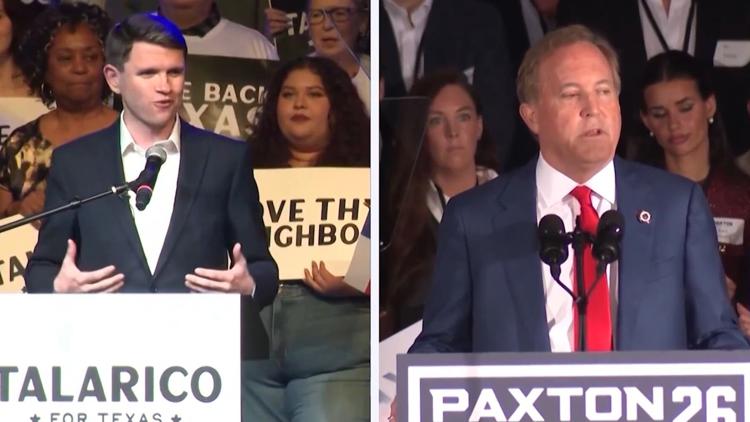
Election 2026: James Talarico, Ken Paxton battle for US Senate seat; Here's where they stand on issues
By Lily Nguyen
Advertisement · Why this ad?
Lily is a graduate of the University of the Incarnate Word with a degree in Public Health and has been working as a reporter focusing on health issues in the community for over four years. She previously contributed to local health magazines and is passionate about improving public health awareness in San Antonio.
More from Lily →
As the sun dipped below the Texas skyline, casting a warm glow over the bustling streets of San Antonio, a palpable energy filled the air. Residents gathered at local coffee shops, discussing the upcoming elections and the candidates vying for the lieutenant governor's office. The 2026 election is poised to be a pivotal moment for Texas, with the lieutenant governor's role often described as the most powerful in the state government. It's a position that not only influences legislative priorities but also shapes the future of Texas politics.
The lieutenant governor of Texas holds a unique position, often wielding considerable power in the legislative process. As the presiding officer of the Texas Senate, the lieutenant governor can influence which bills reach the floor for debate and vote. This role is crucial, especially in a state where the legislature meets only biennially, making every session a significant opportunity for policy change.
The responsibilities extend beyond legislative duties; the lieutenant governor also plays a key role in state governance, overseeing various state agencies and initiatives. With such authority, the candidates running for this office are under immense scrutiny, as their decisions can impact millions of Texans.
As the 2026 election approaches, several candidates have emerged, each bringing their vision for Texas to the forefront. Among the frontrunners is the incumbent lieutenant governor, Dan Patrick, who has held the office since 2015. Patrick, a Republican, has been a polarizing figure, known for his staunch conservative policies and advocacy for issues ranging from tax cuts to education reform.
Challenging Patrick’s incumbency is Mike Collier, a Democrat and former state comptroller. Collier has positioned himself as a champion for public education and healthcare reform, emphasizing the need for a more equitable approach to governance. His campaign focuses on addressing the needs of working families and ensuring that all Texans have access to essential services.
In addition to Patrick and Collier, other candidates are stepping into the race, including several lesser-known figures who aim to make their mark. Among them is Libertarian candidate Josh Smith, who advocates for minimal government intervention and individual liberties. Smith's platform resonates with a segment of the electorate that values personal freedom and fiscal responsibility.
Another noteworthy candidate is independent candidate Carla Brailey, who seeks to represent the voices of those disillusioned with the two-party system. Brailey's campaign emphasizes community engagement and grassroots activism, aiming to empower Texans to take an active role in their governance.
The upcoming election is not just about candidates and their platforms; it’s about the community's engagement in the democratic process. In San Antonio, local organizations are mobilizing to educate voters about the candidates and the importance of their participation. Initiatives like voter registration drives and town hall meetings are becoming increasingly common as residents recognize the significance of their voices in shaping the future of Texas.
“We want our community to understand the power they hold,” said Maria Torres, a local activist. “This election is an opportunity for us to advocate for the issues that matter most to us, whether it’s education, healthcare, or infrastructure.”
Local leaders and organizations, including the San Antonio League of Women Voters, are working tirelessly to ensure that voters are informed about the candidates' positions and the implications of their policies. They are hosting forums where candidates can present their ideas directly to the public, allowing for a more transparent dialogue between the electorate and those seeking office. This grassroots engagement is crucial in a city that has seen significant demographic changes in recent years, with a growing population of young voters who are eager to make their voices heard.
As the candidates prepare for the election, several key issues are dominating the conversation across Texas. Education remains at the forefront, with debates surrounding funding for public schools and teacher salaries. The candidates’ positions on these issues will likely sway many voters, particularly parents concerned about the quality of education their children are receiving.
Healthcare is another significant topic, especially in the wake of the COVID-19 pandemic. Access to affordable healthcare has become a pressing concern for many Texans, and candidates’ plans to address this issue will be scrutinized closely. Additionally, the ongoing discussions about immigration and border security continue to resonate with voters, making it essential for candidates to articulate clear, actionable policies.
Another critical issue is infrastructure, particularly in rapidly growing areas like San Antonio. Residents are concerned about traffic congestion, public transportation, and the need for sustainable development that does not compromise the environment. Candidates will need to address these concerns head-on, proposing innovative solutions that reflect the needs of their constituents.
With the election date set for November 2026, the candidates will ramp up their campaigns in the coming months. Voter outreach efforts, debates, and community forums will play a crucial role in shaping public opinion. As the race heats up, it is imperative for voters to stay informed and engaged.
The lieutenant governor's election is not just a political event; it is a reflection of the values and priorities of Texas residents. As families gather around their dinner tables to discuss the future, the importance of committed leadership that aligns with traditional family values and community needs becomes clear. The decisions made in the lieutenant governor's office will impact the lives of Texans for years to come.
As the election approaches, it will be essential for candidates to not only articulate their visions but also connect with voters on a personal level. Engaging with communities through door-to-door canvassing, listening sessions, and social media outreach will be crucial in building trust and support. This election is not just about winning; it's about fostering a sense of community and shared purpose among Texans.
As we look ahead to November 2026, the stakes are high, and the potential for change is significant. The candidates' ability to resonate with the electorate will determine not only their success but also the direction Texas takes in the coming years. The lieutenant governor's race is more than just a contest; it is a vital opportunity for Texans to shape their future.
By Lily Nguyen
By Monica Ramirez

By Monica Ramirez

By Lily Nguyen