
Community
Quail Valley neighborhood in Missouri City draws Halloween crowds with elaborate decorations
By Marisol Torres
Advertisement · Why this ad?
Holding a degree in Communication from the University of Texas at Tyler, Marisol has spent 5 years covering community events and local culture. Her previous work includes contributions to the KETK News and various lifestyle blogs in the area.
More from Marisol →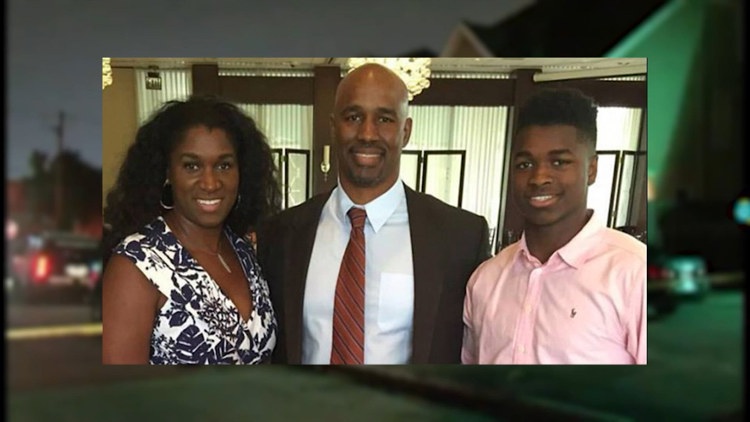
In the quiet town of Beaumont, the air was thick with tension as families gathered outside the courthouse, their faces a mix of hope and despair. Among them stood the family of AJ Armstrong, a young man whose life has been overshadowed by tragedy and controversy. As the gavel struck, sealing the fate of a motion that could have changed everything, a collective sigh echoed through the crowd. On a recent Tuesday, a judge denied AJ Armstrong's motion for a new murder trial, a decision that reverberated far beyond the courtroom.
The decision came after a lengthy legal battle that has captivated the Beaumont community for years. AJ Armstrong was convicted of the 2016 murder of his parents, 50-year-old Antonio and 48-year-old Dawn Armstrong. The case drew significant media attention, not only due to the nature of the crime but also because of the young man's age at the time of the incident—he was just 16 years old. His defense team argued that new evidence had emerged, suggesting that the prosecution's case was built on shaky ground.
Despite the fervent pleas from his supporters, the judge ruled against the motion, citing insufficient grounds for a retrial. The ruling has left many in Beaumont questioning the judicial process and the implications for justice in their community. This case has become a focal point for discussions about the treatment of young individuals within the legal system, especially those accused of serious crimes.
The response from the community has been deeply divided. For some, AJ Armstrong represents a young man who deserves a second chance—a chance to prove his innocence and reclaim his life. For others, the conviction serves as a reminder of the tragic loss of two lives and the need for accountability. "It's heartbreaking to see a family torn apart like this, but we must also remember the victims," said local resident Maria Gonzalez, who has followed the case closely.
Many residents have taken to social media to express their thoughts, with hashtags like #JusticeForAJ trending among supporters. Community forums have sprung up, allowing individuals to voice their opinions and share their feelings about the trial's outcome. Some have even organized peaceful protests outside the courthouse, advocating for AJ's right to a fair trial. These gatherings have fostered a sense of unity among those who believe in his innocence, showcasing the power of community activism.
Among AJ's supporters is his childhood friend, Samantha Lee, who described him as a caring and gentle soul. "He was always there for me when I needed someone to talk to. I can't believe he's being punished for something he didn't do," she said, her voice trembling with emotion. For Samantha and others, AJ's story is not just a legal battle; it is a personal fight for justice and truth.
Local organizations, including the Beaumont Youth Coalition, have also stepped in to offer support for AJ's family during this trying time. They have provided resources and counseling to help them cope with the emotional toll of the ongoing legal struggles. "We believe in the importance of supporting our youth, especially those facing such dire circumstances," said coalition director David Ramirez.
The legal proceedings surrounding AJ Armstrong's case have highlighted significant issues within the justice system, particularly regarding juvenile offenders. Legal experts have pointed out that the handling of juvenile cases often lacks the necessary focus on rehabilitation and understanding of the complexities involved. Many argue that young individuals should not be treated the same as adults, particularly when it comes to severe charges like murder.
In Texas, the juvenile justice system is designed to provide rehabilitation rather than punishment. However, critics argue that this ideal often falls short in practice. AJ's case has sparked conversations about the need for reform in how young offenders are treated, ensuring that their voices are heard and their rights protected. Advocates are calling for a closer examination of the laws governing juvenile justice, urging lawmakers to consider the long-term implications of their decisions.
The ramifications of this case extend beyond the courtroom, impacting the entire Beaumont community. Local schools have been engaged in discussions about the importance of mental health support for students, particularly in light of the trauma that can arise from violent crime. Educators are working to create safe spaces for students to express their feelings and concerns about the case, emphasizing the need for empathy and understanding.
Community leaders have also initiated programs aimed at educating young people about their rights within the legal system. Workshops and seminars are being organized to empower youth with knowledge about the justice process, helping them understand the potential consequences of their actions and the importance of seeking help when needed. "We want to ensure that our young people are informed and prepared to navigate the complexities of life, especially in challenging situations," said local educator Lisa Tran.
As the community grapples with the implications of the judge's ruling, many are left wondering what the future holds for AJ Armstrong and his family. The denied motion for a new trial means that the path to justice is still fraught with obstacles. However, supporters remain hopeful that new evidence may emerge, or that the case could be revisited in the future.
In the meantime, community leaders are emphasizing the importance of unity and support for those affected by the case. Local churches have opened their doors for prayer vigils, providing a space for healing and reflection. "We must come together as a community, regardless of our differing opinions on this case," said Pastor John Smith of Beaumont Community Church. "Our strength lies in our ability to support one another through difficult times."
As Beaumont moves forward, the story of AJ Armstrong serves as a reminder of the complexities of justice, the fragility of life, and the power of community. It is a tale that intertwines sorrow, hope, and the relentless pursuit of truth. The residents of Beaumont, with their hearts intertwined, will continue to stand by AJ and his family, advocating for justice and healing in the face of adversity. The outcome of this case will likely influence future discussions surrounding juvenile justice, shaping the community's approach to similar situations for years to come.
By Marisol Torres
By Marisol Torres
By Marisol Torres

By Marisol Torres