Community
Former Turkey Leg Hut owner sentenced to more than 8 years in federal arson case
By Marisol Torres
Advertisement · Why this ad?
Holding a degree in Communication from the University of Texas at Tyler, Marisol has spent 5 years covering community events and local culture. Her previous work includes contributions to the KETK News and various lifestyle blogs in the area.
More from Marisol →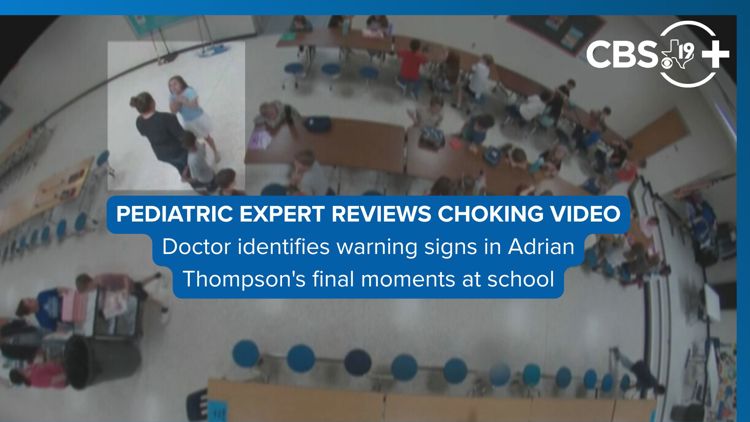
As the sun dipped below the horizon, casting a warm glow over Beaumont, a heart-wrenching story emerged from a local community that has left many parents shaken. In a recent incident that has captured the attention of pediatric experts and families alike, a young girl tragically lost her life due to choking. This unfortunate event serves as a stark reminder of the critical importance of recognizing the early signs of choking in children, a topic that Dr. Scott Hadland, a pediatric expert, has been passionately discussing in light of this tragedy.
The incident that sparked this urgent conversation occurred in Texas, where a young girl faced a choking emergency that ultimately led to her untimely death. While the details of the event are harrowing, they underscore a dire need for awareness among parents and caregivers. Dr. Hadland emphasizes that choking can happen in the blink of an eye, often without warning signs that are easily recognizable. Many adults may overlook the initial signs, especially if a child can still make sounds or communicate.
In his review of the video footage from the incident, Dr. Hadland points out that the first signs of choking can be subtle. A child may appear to be in distress but still manage to cough or cry, which can mislead adults into believing that the child is not in immediate danger. This misconception can delay critical interventions that could save a life.
Dr. Hadland's insights are not just theoretical; they are grounded in real experiences that resonate with families across Beaumont. The emotional weight of this tragedy is felt deeply in our community, where parents strive to protect their children from harm. The loss of a young life is a heartbreaking reminder of the fragility of childhood and the responsibilities that come with raising children.
The community's response to this heartbreaking incident has been one of shock and sorrow. Parents have come together to share their experiences and concerns, creating a dialogue around child safety that has become increasingly important. Local parenting groups and organizations are hosting discussions to educate families about choking hazards and the signs to watch for.
Many parents are now reflecting on their own experiences and the moments when their children may have faced similar dangers. “It makes you realize how quickly things can change,” said a Beaumont mother of two, who wished to remain anonymous. “One moment, they are playing, and the next, you could be facing a life-threatening situation.” This sentiment echoes the fears of countless parents who understand that vigilance is key to keeping their children safe.
The Beaumont community has rallied around this issue, with local leaders and health professionals taking an active role in spreading awareness. Community forums are being organized, where experts share insights on child safety, and parents can ask questions and share their own stories. Local businesses have also joined the effort, offering resources and support for these initiatives, highlighting the community's commitment to protecting its youngest members.
Dr. Hadland's message is clear: awareness is the first line of defense against choking. He urges parents to educate themselves on the signs of choking, which can include difficulty breathing, a change in skin color, and an inability to make sounds. These signs, while not always obvious, can indicate that a child is in serious trouble.
In Beaumont, local schools and childcare centers are stepping up to provide training for staff and parents alike. The Beaumont Independent School District has begun incorporating safety training into its curriculum, ensuring that both teachers and students are equipped with the knowledge to respond effectively in emergencies. This proactive approach reflects a commitment to fostering a safe environment for children.
Moreover, local pediatricians are collaborating with schools to host workshops on choking prevention, emphasizing the importance of early detection and response. These workshops are designed not only for parents but also for older children, teaching them how to recognize when a peer is in distress and how to alert an adult. This comprehensive approach ensures that the message of safety is ingrained in the community.
Dr. Hadland emphasizes that choking can occur with various food items, toys, and everyday objects. Foods like grapes, hot dogs, and popcorn are common culprits, but even small toys can pose a significant risk. Parents are encouraged to be vigilant not just during mealtime but throughout daily activities.
One of the most important takeaways from Dr. Hadland's discussion is the need for parents to trust their instincts. If a child appears to be in distress, it is crucial to act quickly and seek help. The delay in intervention can mean the difference between life and death. Beaumont families are learning to prioritize safety measures in their homes, such as cutting food into smaller pieces and keeping small objects out of reach.
Additionally, parents are now more inclined to seek out first aid training, with many enrolling in local courses that teach not just choking response but also broader emergency preparedness. This newfound focus on education and preparedness is fostering a culture where safety is a community priority.
To support families in this endeavor, local organizations are stepping up to provide resources and training. The City of Beaumont has partnered with health organizations to offer workshops on choking prevention and first aid. These workshops aim to equip parents with the skills they need to respond effectively in emergencies.
Additionally, the Beaumont Independent School District is collaborating with local health experts to incorporate safety training into school programs, ensuring that children are educated about risks and how to respond. This initiative not only empowers students but also fosters a culture of safety within the community.
Parents can also access valuable information through the American Academy of Pediatrics, which provides guidelines on choking prevention and emergency response. By leveraging these resources, families can create safer environments for their children.
As Beaumont grapples with the aftermath of this tragic event, the community is coming together to ensure that such a loss is not in vain. With increased awareness and education, there is hope that families will be better equipped to handle choking emergencies in the future. Dr. Hadland's insights serve as a catalyst for change, urging parents to be proactive rather than reactive.
The journey ahead is one of healing and growth. Beaumont families are determined to turn their grief into action, advocating for safety measures and educational initiatives that will protect children in their community. By fostering open conversations about choking hazards and safety, parents can create a supportive network that prioritizes the well-being of every child.
In the coming months, we can expect to see more community events focused on child safety, including workshops, seminars, and family activities designed to promote awareness and preparedness. The resilience of Beaumont shines through as families unite in their commitment to safeguarding the next generation. As they share their stories and learn from one another, a stronger, more informed community is emerging—one that is dedicated to ensuring the safety and health of its children.
By Marisol Torres

By Marisol Torres

By Marisol Torres
By Marisol Torres