Government
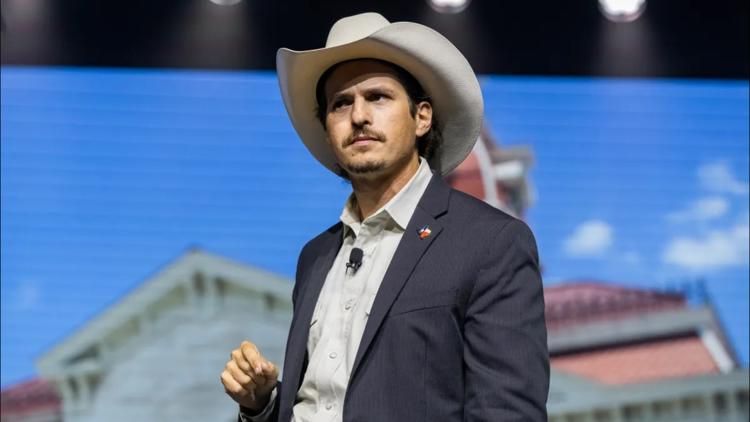
Clayton Tucker poised to become first Democratic agriculture commissioner in nearly 40 years
By Fatima Rios
Advertisement · Why this ad?
Derek has a Bachelor’s degree in Political Science from Lamar University and over 6 years of experience covering local government issues. He previously worked as a reporter for the Beaumont Enterprise, focusing on city council meetings and policy changes.
More from Derek →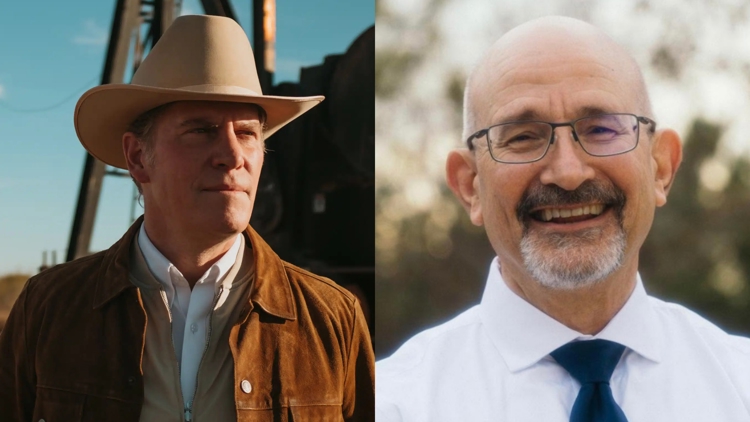
As the sun set over Beaumont, the air buzzed with anticipation and uncertainty. Local residents gathered in their living rooms, glued to their screens, awaiting the results of the Texas Railroad Commission election. Among the candidates vying for this critical position were Bo French and Jon Rosenthal, both bringing unique perspectives and experiences that could shape the future of Texas's energy industry.
The Texas Railroad Commission, a pivotal regulatory body overseeing the state's energy sector, saw its election results closely followed by citizens across Beaumont and beyond. Bo French, a Republican candidate, campaigned on a platform of promoting energy independence and supporting traditional energy sources, while Jon Rosenthal, a Democratic challenger, emphasized the need for sustainable practices and innovation in the energy industry.
On election night, the tension was palpable as results trickled in. With a significant voter turnout, the race highlighted the importance of energy regulation in Texas, a state known for its oil and gas production. French and Rosenthal both engaged in spirited debates, focusing on issues such as environmental concerns, job creation, and the future of renewable energy.
The Texas Railroad Commission, despite its name, has little to do with railroads. Instead, it plays a crucial role in regulating oil and gas production, pipelines, and other energy-related activities. This election was particularly significant as it comes at a time when Texas is grappling with the dual challenges of meeting energy demands while addressing climate change.
Bo French, a seasoned oil and gas executive, has spent over two decades in the energy sector, working his way up from a field engineer to executive leadership roles. His experience gives him a unique perspective on the challenges faced by the industry. French's campaign focused on the need for Texas to remain a leader in energy production while ensuring that the workforce is trained for the future. He often shared personal stories about his family’s long-standing ties to the Texas oil industry, emphasizing the importance of preserving jobs for future generations.
On the other hand, Jon Rosenthal, a former engineer and educator, has been a vocal advocate for renewable energy and environmental justice. His campaign was rooted in his belief that Texas could lead the nation in clean energy innovations while still supporting the existing workforce in the fossil fuel sector. Rosenthal often spoke about his experiences in the classroom, where he witnessed firsthand the impact of climate change on his students' futures. His commitment to integrating science and policy resonated with many voters concerned about the environment.
The reactions from Beaumont residents were mixed, reflecting a community deeply invested in the outcome. Many expressed concerns over the future of the energy industry and its impact on local jobs. "We need someone who understands the importance of our oil and gas sector, but we also need to think about the future," said local business owner Maria Gonzalez. Her family has operated a small oilfield supply company for generations, and she fears that a shift away from fossil fuels could jeopardize her business.
Others, like retired teacher Frank Miller, voiced support for Rosenthal, arguing, "It's time for Texas to lead in renewable energy. We can't ignore climate change any longer. Our children deserve a better future." This sentiment echoed throughout the community, showcasing the diverse opinions held by Beaumont residents. As conversations unfolded in local cafes and community centers, it became evident that many were grappling with the balance between economic necessity and environmental responsibility.
Energy regulation is not just a matter of policy; it affects every Texan's daily life. From the prices at the pump to the stability of the grid during extreme weather events, the decisions made by the Texas Railroad Commission have far-reaching implications. As the state navigates its energy landscape, the commission's leadership will play a crucial role in balancing economic growth with environmental stewardship.
In Beaumont, where families rely on stable energy prices and jobs in the energy sector, the stakes are particularly high. The outcome of this election could determine the trajectory of local employment and economic stability for years to come. Local organizations, such as the Beaumont Chamber of Commerce, have been actively involved in discussions about the future of energy in the region, hosting forums where residents can voice their opinions and learn about the implications of energy policies.
As the dust settles from the election, the focus now shifts to the future of the Texas Railroad Commission and its new leadership. Whichever candidate emerges victorious will face immediate challenges, including addressing the state's aging infrastructure and the need for a comprehensive energy policy that embraces both traditional and renewable sources.
Bo French has pledged to prioritize energy independence and job creation, while Jon Rosenthal has committed to advocating for a greener Texas. The commission's next steps will be crucial in shaping the state's energy future, particularly as Texas continues to experience population growth and increased energy demands. Beaumont, with its strategic location near major pipelines and refineries, will play an essential role in this evolving landscape.
Looking ahead, Beaumont residents will be watching closely to see how their new Railroad Commissioner addresses these pressing issues. The energy landscape is evolving, and the decisions made in the coming months will have lasting effects on the community and the state as a whole. Local leaders are already discussing potential initiatives to foster collaboration between traditional energy sectors and renewable energy advocates, aiming for a balanced approach that benefits everyone.
For those wanting to stay informed about the Texas Railroad Commission and its initiatives, residents can visit the Texas Railroad Commission's official website. This site provides updates on regulations, safety protocols, and energy policies that affect the community.
Additionally, Beaumont residents are encouraged to engage with local organizations that advocate for energy issues, such as the Beaumont Chamber of Commerce, which often hosts forums and discussions on relevant topics. Staying informed and involved is key to ensuring that the community's voice is heard in the ongoing energy debate.
Furthermore, local schools and universities, including Lamar University, offer programs and resources focused on energy and environmental studies, providing opportunities for residents to learn and engage with these critical issues. Community workshops and seminars are regularly scheduled, allowing residents to explore topics ranging from energy efficiency to the latest advancements in renewable technologies.
As Beaumont looks toward the future, the recent election for Texas Railroad Commissioner serves as a reminder of the vital role energy regulation plays in the lives of its residents. With candidates like Bo French and Jon Rosenthal representing different visions for Texas's energy future, the community is poised to engage in meaningful conversations about energy policy and its implications for families and businesses alike. The decisions made by the Texas Railroad Commission will not only impact the energy landscape but also shape the values and commitments that define our community. As Beaumont navigates this transition, the hope is that it can find a path that honors its rich energy heritage while embracing the innovations necessary for a sustainable future.
By Fatima Rios

By Marisol Torres

By Lila Mendez
By Tasha Williams