
Community
A father accused of abducting his sons, two missing brothers and a mystery spanning decades
By Marisol Torres
Advertisement · Why this ad?
Holding a degree in Communication from the University of Texas at Tyler, Marisol has spent 5 years covering community events and local culture. Her previous work includes contributions to the KETK News and various lifestyle blogs in the area.
More from Marisol →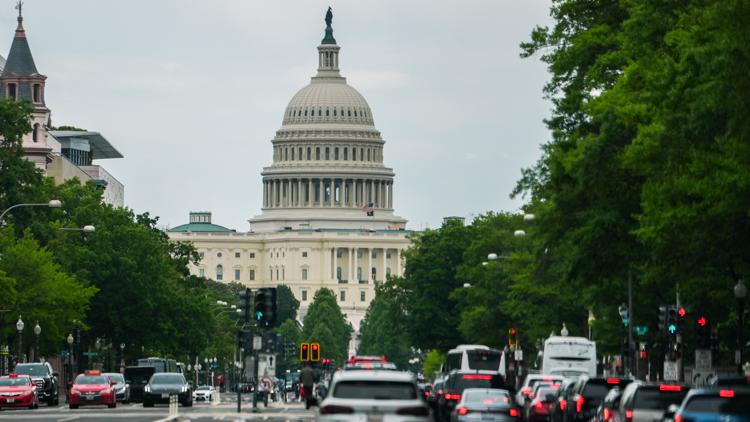
As the sun dipped below the horizon, casting a warm glow over Beaumont, a group of friends gathered on a porch, sipping sweet tea and discussing the recent changes in the political landscape. The atmosphere was one of camaraderie, yet beneath the surface, there was an undercurrent of concern. Residents of Beaumont, like many across Texas, are grappling with the implications of the recent redistricting that has left many questioning the future of their representation.
In a bold move, Texas Republicans undertook a redistricting effort aimed at securing five additional seats in the U.S. House of Representatives. However, as the dust settles, it appears that the strategy may backfire. Reports indicate that Republicans are potentially facing losses in two districts they currently control, a situation that could lead to a net loss instead of the anticipated gains.
This redistricting plan, often referred to as gerrymandering, involves manipulating the boundaries of electoral districts to favor one party over another. In Texas, this has been a contentious issue, with debates about fairness and representation taking center stage. The state’s growing population and shifting demographics make these decisions particularly critical for communities like Beaumont.
While the intent behind the redistricting was clear—maximize Republican representation—the reality on the ground tells a different story. Analysts suggest that the new map may not only fail to deliver the expected seats but could also alienate voters who feel their voices are being overshadowed by political maneuvering.
For Beaumont, the implications of this redistricting are profound. The city, which has seen a diverse influx of residents from various backgrounds, is at a crossroads. The changing demographics mean that the needs and interests of the community are evolving. With a population that includes a significant number of Hispanic and African American residents, the potential for underrepresentation looms large. Local leaders are concerned that the new boundaries may dilute the voices of these communities.
“It’s not just about who represents us; it’s about ensuring that our unique needs are understood and prioritized,” says Councilwoman Linda Johnson, who has been a vocal advocate for equitable representation. “We’re not just numbers on a map; we’re families, businesses, and communities with our own stories and challenges.”
Many Beaumont residents are feeling the effects of this political reshuffle. At a local diner, the chatter among patrons reflects a mix of confusion and frustration. “I just want to know who my representative is going to be,” says Maria Gonzalez, a lifelong Beaumont resident. “It feels like we’re losing our connection to the people who are supposed to represent us.”
Community leaders are echoing these sentiments, emphasizing the importance of having representatives who understand and prioritize local issues. “Our needs are unique, and we need someone in Congress who truly gets Beaumont,” says John Rodriguez, a member of the Beaumont Chamber of Commerce. “Redistricting shouldn’t just be about party lines; it should be about people.”
The implications of gerrymandering extend beyond just political representation. It can influence local policies, funding for schools, and community resources. As districts are redrawn, some communities may find themselves at a disadvantage, leading to disparities in funding and support. This is particularly concerning for families who rely on public services.
In Beaumont, where strong families and community ties are the backbone of society, the potential for disconnection from their representatives raises alarm bells. “Our families deserve to be heard,” says local activist Sarah Thompson. “We need leaders who will advocate for our collective well-being, not just their political ambitions.”
Local organizations are mobilizing to ensure that residents are not only aware of the changes but also actively engaged in the political process. The Beaumont Civic Group has been instrumental in organizing town hall meetings, where residents can voice their concerns and ask questions about the implications of the new district map. “We want to create a platform for dialogue,” says Emily Carter, the group's leader. “It’s essential for people to feel empowered and informed.”
At one recent meeting, residents voiced their fears about losing representation. “It’s like we’re being pushed aside,” lamented another resident, Marcus Lee. “We need to make sure that our needs are still on the table.”
Looking ahead, the situation remains fluid. With elections approaching, the stakes are high for both parties in Texas. Republicans are hoping to maintain their foothold, while Democrats see an opportunity to capitalize on the discontent brewing among voters. The next few months will be crucial in determining how these shifts play out in Beaumont and beyond.
Residents are urged to stay informed and engaged as the electoral landscape evolves. Community forums and town hall meetings are being organized to discuss the implications of the new district map and what it means for local representation. This is a chance for Beaumont residents to voice their concerns and demand accountability from their leaders.
In light of the recent developments, local organizations are stepping up to ensure that residents are educated about their rights and the electoral process. The Beaumont Civic Group has scheduled workshops aimed at empowering citizens to understand the changes and how they can make their voices heard. “We believe that informed citizens can drive change,” says group leader Emily Carter.
These initiatives are essential in fostering a sense of community and encouraging active participation in the democratic process. As families gather to discuss the future of their representation, it’s clear that the heart of Beaumont beats strongest when its residents are united in purpose.
At the core of these discussions is the recognition that strong families and authentic faith are foundational to a thriving community. Beaumont is a city built on values that prioritize commitment and connection. As residents navigate the complexities of political change, these values serve as a guiding light.
Many families are hopeful that their voices will be heard in the upcoming elections, emphasizing the need for representatives who reflect their beliefs and priorities. “We want leaders who stand for family values and community support,” says local pastor David Miller. “It’s time for us to come together and advocate for what truly matters.”
The upcoming elections will serve as a critical juncture for Beaumont. With the potential for significant shifts in representation, residents are mobilizing to ensure that their voices are not only heard but also acted upon. Grassroots campaigns are emerging, with local activists organizing door-to-door efforts to educate voters about the importance of participating in the electoral process.
Additionally, youth engagement is becoming a focal point. Local high schools are hosting debates and discussions about civic responsibility, encouraging students to understand the importance of their vote. “We’re shaping the future of Beaumont,” says high school senior Jessica Tran, who is actively involved in her school’s civic engagement club. “It’s our turn to make a difference.”
As Beaumont residents look to the future, the recent redistricting serves as a reminder of the importance of civic engagement. While the political landscape may shift, the strength of the community lies in its ability to come together, support one another, and advocate for meaningful change. The upcoming months are pivotal, and with each voice raised, Beaumont can ensure that it remains a place where families thrive, faith is honored, and every resident feels represented.
By Marisol Torres

By Lila Mendez
By Lila Mendez
By Marisol Torres