Community
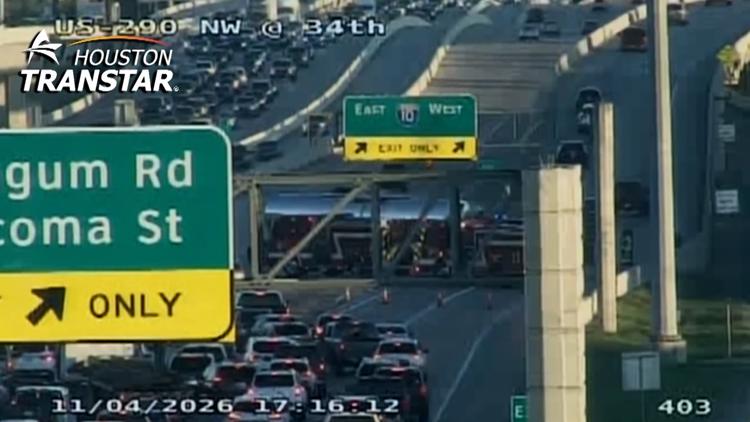
Jackknifed tanker truck shuts down 290 near the Loop
By Marisol Torres
Advertisement · Why this ad?
Holding a degree in Communication from the University of Texas at Tyler, Marisol has spent 5 years covering community events and local culture. Her previous work includes contributions to the KETK News and various lifestyle blogs in the area.
More from Marisol →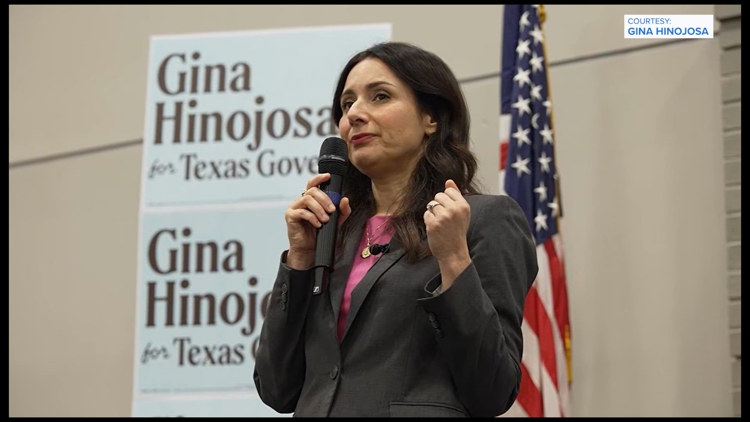
As the sun dipped below the horizon, casting a warm glow over Beaumont, a crowd gathered at the local community center, eagerly discussing the future of Texas and the possibility of receiving $1,500 payments. Among them was Maria Gonzalez, a single mother of two, who expressed her hopes for a brighter future. "This money could really help us get back on our feet," she said, her eyes sparkling with cautious optimism. The air was thick with anticipation as residents contemplated the implications of a proposed payment plan by Texas Governor-elect Gina Hinojosa.
Gina Hinojosa, the newly elected governor of Texas, has stirred excitement across the state with her proposal to distribute $1,500 payments to residents. The plan hinges on utilizing $17 billion from the state’s rainy-day fund, a financial reserve meant for emergencies. While the idea has garnered widespread support, it remains in the early stages, with no specific payment or distribution date approved yet. This proposal aims to provide much-needed relief to families and individuals grappling with the economic fallout from recent challenges.
The rainy-day fund, which has been a topic of debate among lawmakers, is designed to offer financial assistance during tough times. Hinojosa's plan reflects a commitment to support Texans facing economic hardships, particularly those who have been disproportionately affected. The discussions around this payment plan have ignited conversations about the role of government in providing financial support and the importance of community resilience in times of need.
The response from the Beaumont community has been overwhelmingly positive. Many residents see the proposed payments as a lifeline, especially in a city where families often juggle multiple jobs to make ends meet. Local business owner James Rivera shared his thoughts at the community center gathering, saying, "This could mean more customers for us, and it would help families put food on the table. It’s a win-win for everyone." The prospect of additional funds has sparked hope and excitement, instilling a sense of unity among residents.
However, not everyone is fully convinced. Some community members express concerns about the long-term implications of using the rainy-day fund for direct payments. Local teacher Sarah Martinez pointed out, "While the immediate relief is crucial, we need to ensure that we are not jeopardizing future funding for education and infrastructure. We have to think long-term, too." This sentiment highlights the delicate balance between immediate relief and sustainable growth.
The voices of hope echo throughout Beaumont, with residents sharing personal stories about how the proposed payments could change their lives. For families like the Garcias, who have struggled with rising living costs, the $1,500 could mean the difference between staying afloat and facing financial ruin. "We’ve had to cut back on groceries and even consider moving out of our home. This money could help us stay where we are and keep our family together," said Maria Garcia, a devoted mother who dreams of a stable future for her children.
The emotional impact of the proposal extends beyond financial relief. Many see it as a testament to the government's acknowledgment of their struggles and a recognition of their hard work. It’s about more than just money; it’s about dignity and respect for the efforts families put in every day to provide for their loved ones.
The proposed payments come at a time when many Beaumont residents are still recovering from the economic impacts of the COVID-19 pandemic. Local businesses have faced closures, and unemployment rates have fluctuated, affecting the livelihoods of countless families. According to the Beaumont Economic Development Foundation, the city has seen a gradual recovery, but many households still face significant financial challenges.
Moreover, inflation has taken its toll, with rising prices for everyday essentials like groceries and gas. The proposed $1,500 payments could serve as a buffer against these economic pressures, allowing families to breathe a little easier. Local economist Dr. Linda Patel noted, "Direct payments can stimulate local economies by increasing consumer spending, which is crucial for recovery in communities like Beaumont. Every dollar counts, especially in times like these."
As the excitement builds, the next steps for Hinojosa’s payment plan remain uncertain. Lawmakers will need to convene and discuss the logistics of the proposal, including how to ensure that the funds are distributed fairly and efficiently. The Texas Legislature will play a crucial role in shaping the plan, and community leaders are urging residents to stay engaged in the process.
Advocates for the plan are encouraging residents to reach out to their representatives, sharing their stories and emphasizing the importance of this financial support. The voices of Beaumont are essential in shaping the future of this initiative, and community members are reminded that their participation can lead to meaningful change.
In light of the proposed payments, community organizations are stepping up to facilitate discussions and provide platforms for residents to voice their opinions. The Beaumont Community Coalition is organizing town hall meetings where residents can learn more about the proposal and express their thoughts directly to local officials. These gatherings aim to empower residents, ensuring they understand the implications of the payment plan and how they can contribute to the conversation.
Local activist and organizer, David Lopez, emphasized the importance of community involvement: "We need to make sure our voices are heard. This is our opportunity to shape the future of Beaumont and advocate for what we truly need. The more we engage, the better our chances are of seeing this plan come to fruition."
For those seeking more information about the proposed payments, the Texas Comptroller's Office offers resources and updates on the state’s financial situation. Residents can visit the Texas Comptroller website for the latest news and developments regarding the rainy-day fund and any potential payments.
Additionally, local organizations such as the Beaumont Chamber of Commerce and Beaumont Independent School District are working to keep the community informed and engaged. These organizations are vital in connecting residents with resources and ensuring that everyone has a voice in this important discussion.
As we look to the future, the potential for $1,500 payments offers a glimmer of hope for many in Beaumont. The community's resilience, coupled with the promise of governmental support, can pave the way for a stronger and more united Texas. While the road ahead may be uncertain, the spirit of Beaumont remains unyielding, fueled by the desire for a better tomorrow.
In the coming weeks, residents are encouraged to stay informed, participate in discussions, and advocate for their needs. The power of community lies in its ability to come together, and as Beaumont navigates this potential initiative, the voices of its residents will undoubtedly shape the outcome. Together, they can build a brighter future, one step at a time.
By Marisol Torres

By Marisol Torres

By Marisol Torres
By Marisol Torres